July 14, 2026
Here is a slightly condensed version that keeps the essential information, the required statistic, and your keyword flowing smoothly:
Asphalt is a popular paving choice for driveways and parking lots due to its durability, but harsh weather and time inevitably cause surface imperfections. According to the National Asphalt Pavement Association, 43% of major roads in the U.S. currently sit in poor or mediocre condition. Understanding the root causes of asphalt cracks is pivotal for effective property maintenance. This article explores these dangerous pavement fractures and provides detailed strategies for repair and prevention to help you keep your surfaces safe.
Identify Visual Characteristics
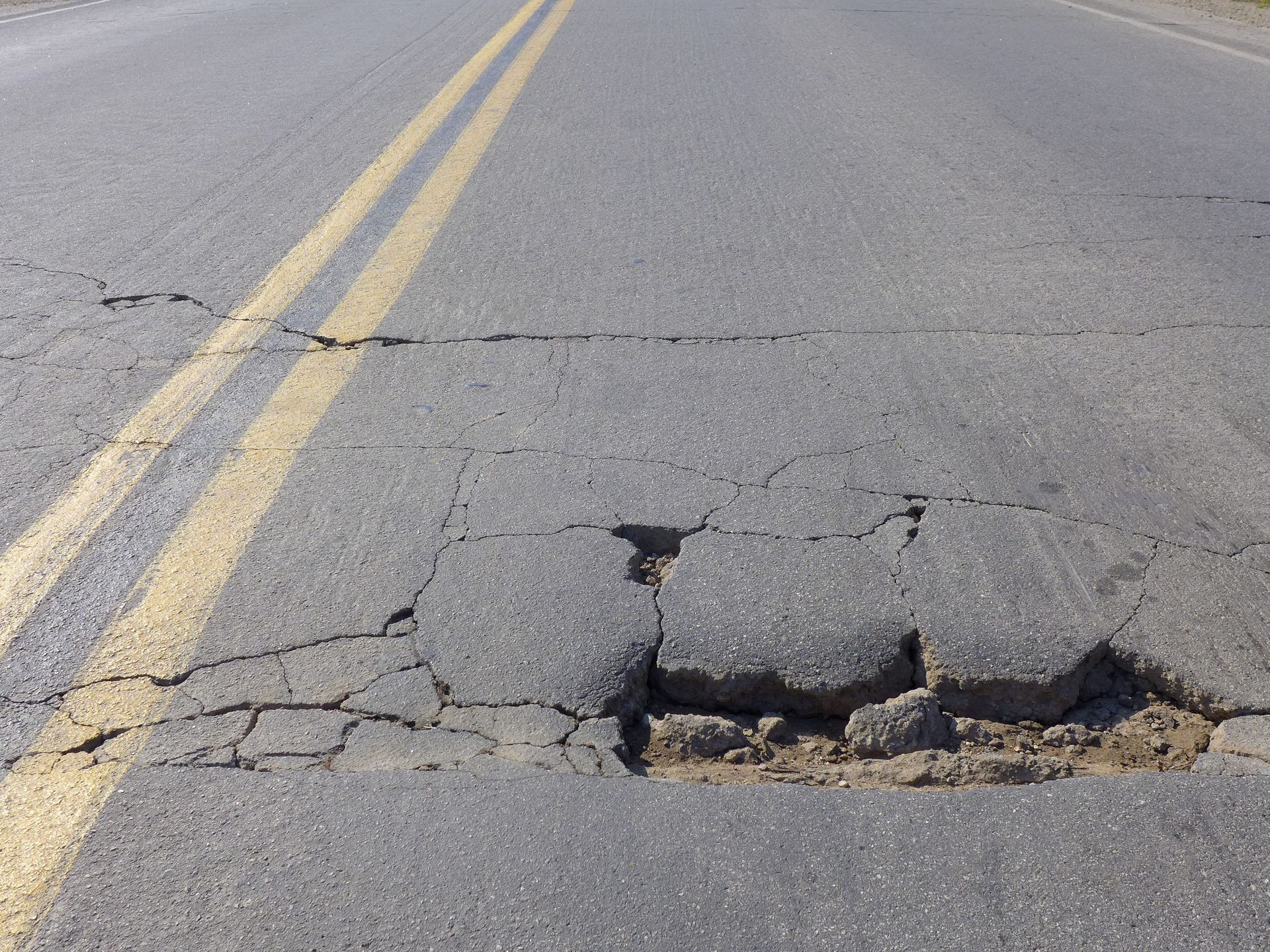
Alligator damage forms a distinct pattern on paved surfaces resembling reptilian skin. These interlocking configurations span large areas with a high traffic concentration. Recognizing this unique pattern early helps mitigate further deterioration.
Explore Root Causes
The formation of alligator damage is indicative of systemic issues within the substructure. Sub-base failure from poor drainage contributes significantly to the manifestation of these asphalt cracks. Natural expansion from temperature variance expedites rapid development.
Evaluate Impact on Property
Alligator damage can have an adverse impact on paved surfaces, translating into costly damage. As fractures proliferate, they disrupt surface smoothness and increase pothole formation risks. If left unaddressed, they necessitate complete pavement replacement.
Execute Repair Strategies With Precision
Repairing alligator damage involves strategies explicitly tailored to the extent of the damage. Asphalt patching provides a temporary fix for minor problems. Extensive damage may require full-depth reclamation to restore structural integrity.
Implement Prevention Tips
Preventing alligator damage requires proactive maintenance practices focused on drainage and load management. Properly engineered drainage systems prevent water from seeping into the sub-base. Distributing vehicular loads evenly minimizes related surface stress.
Spot Identifying Features
Transverse lines are characterized by their specific orientation, typically running perpendicular to the pavement centerline. These structural breaks display linear separations across the width of the surface area. Their systematic nature makes them identifiable by routine inspections.
Analyze Environmental Factors
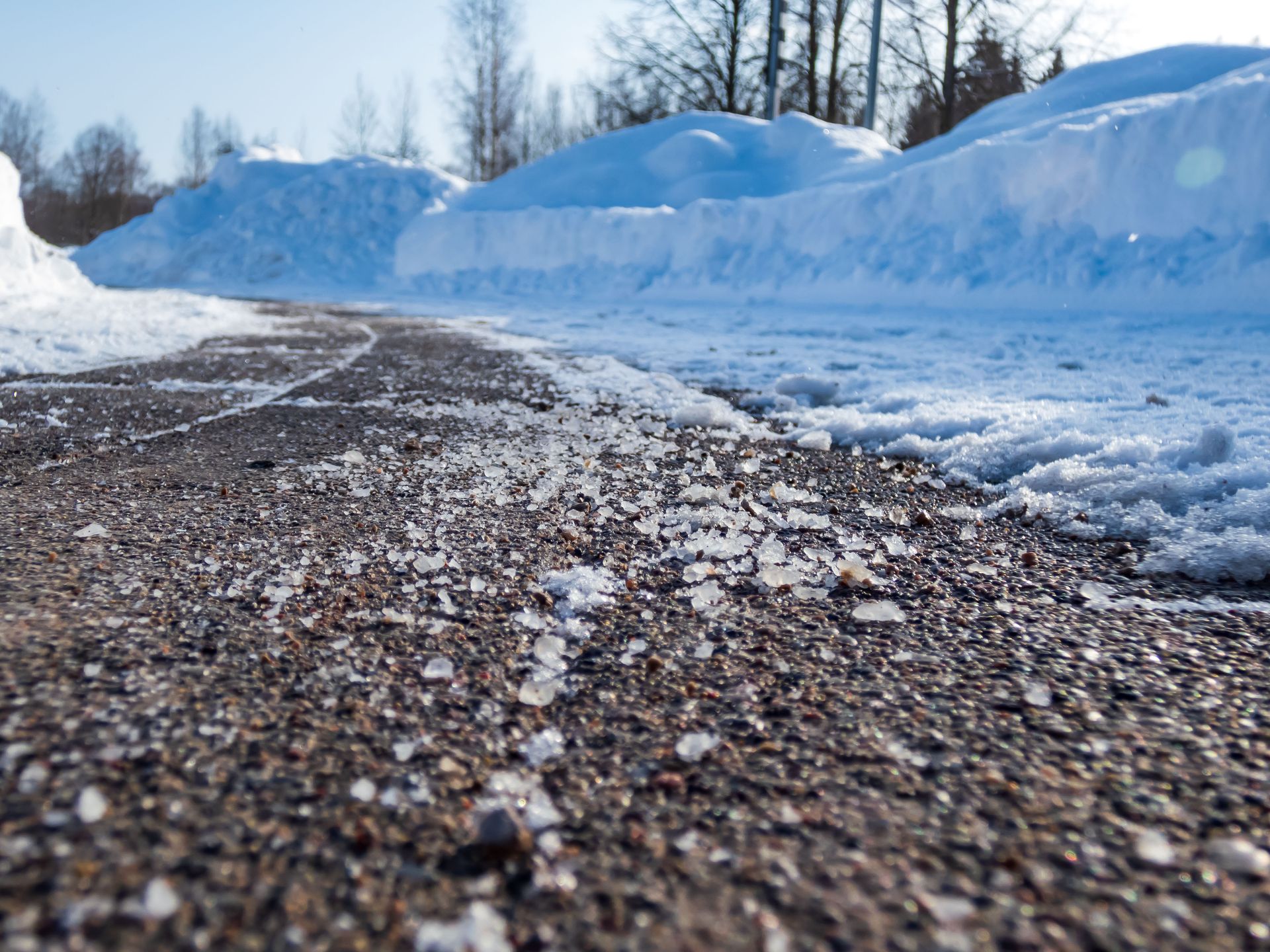
Transverse issues primarily arise from harsh environmental factors like severe temperature fluctuations. As temperatures shift, surfaces undergo constant expansion and contraction - processes that are exacerbated by seasonal changes. Repeated cycles lead directly to the development of these asphalt cracks.
Consider Implications for Property Owners
For property owners, transverse lines represent an ongoing maintenance challenge and a potential for increased repair costs. These breaks facilitate dangerous water infiltration beneath the surface, exacerbating degradation of the foundational base layer and drastically reducing pavement lifespan.
Utilize Effective Repair Techniques
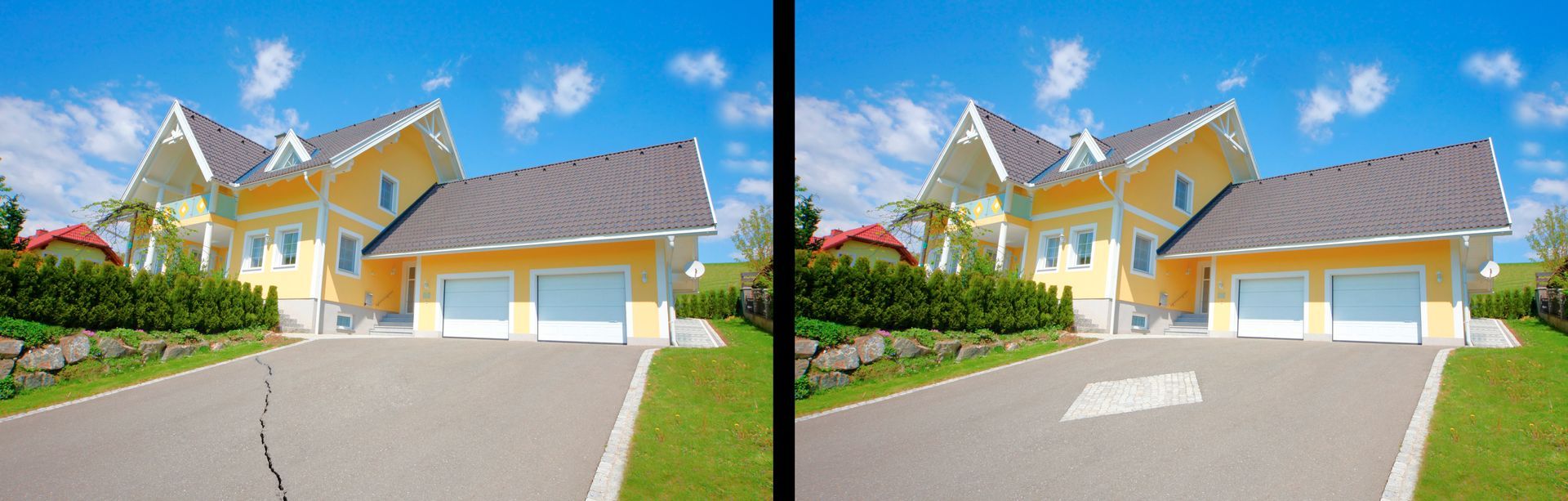
Repairing transverse lines effectively involves comprehensive methods that address current damage and prevent future occurrences. Crack filling entails injecting gaps with an appropriate sealant to stabilize the surface. Regular assessment and timely intervention prevent further degradation.
Take Proactive Measures
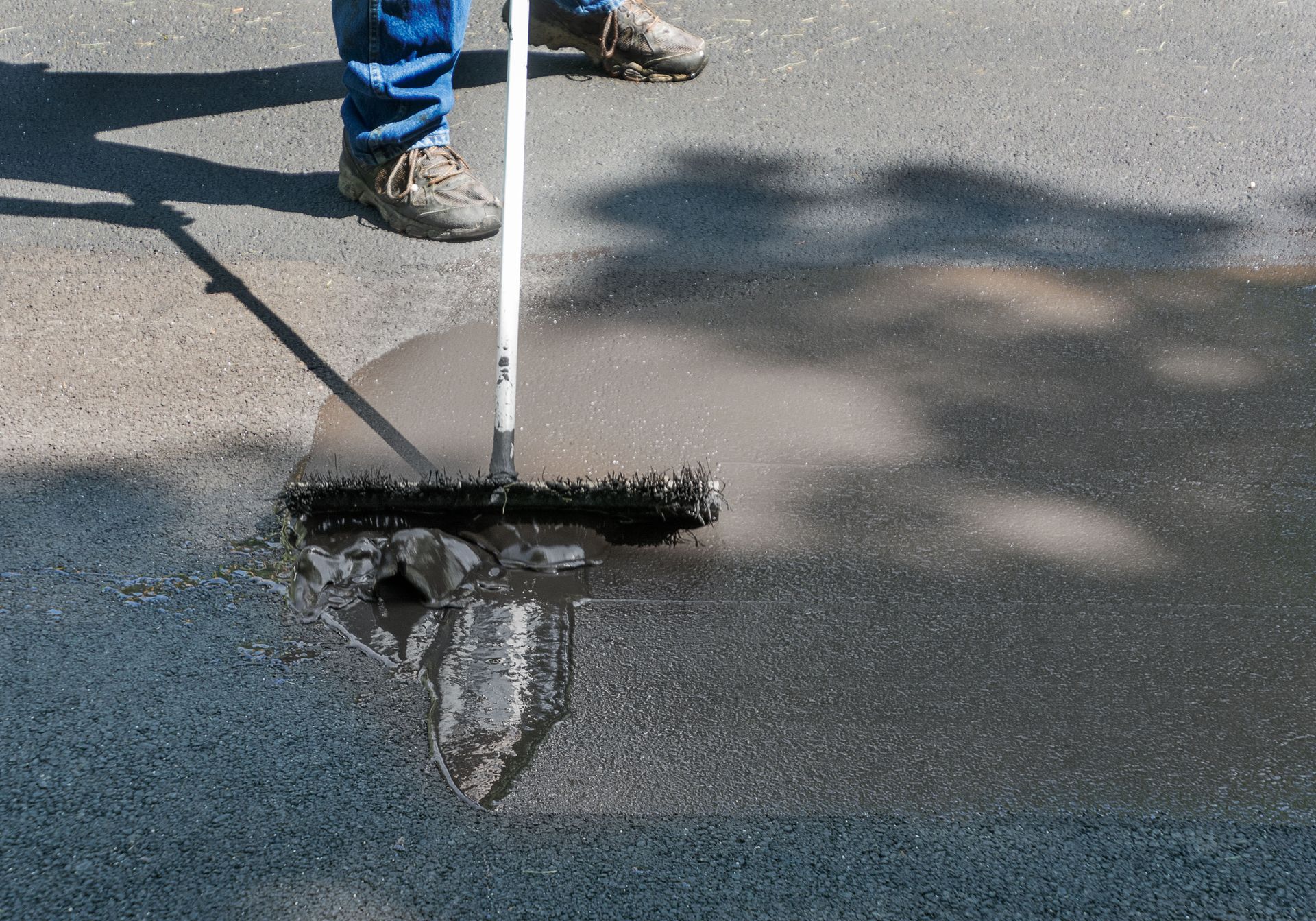
Preventing transverse damage requires property owners to adopt proactive measures focusing heavily on timely maintenance routines. Regularly scheduled inspections help in detecting early signs of wear. Sealcoating acts as a protective layer that shields the surface while enhancing pliability.
Recognize Longitudinal Lines
Longitudinal breaks are identified by their alignment parallel to the pavement centerline, cutting through the surface. These continuous lines manifest as separations alongside traffic patterns. Recognizing longitudinal damage early prevents extensive deterioration.
Determine Root Causes
Understanding the root causes of longitudinal issues is essential for effective remediation. Poorly constructed joints during the initial laying phase result directly in these asphalt cracks. Material shrinkage and heavy traffic loads significantly accelerate pavement damage.
Review Consequences for Paved Surfaces
Untended longitudinal lines pose major risks to paved surfaces, affecting usability and longevity. They serve as conduits for water infiltration, leading to aggressive subsurface erosion. Further propagation increases the risk of structural damage, compromising traffic safety.
Apply Restoration Solutions
Restoring surfaces with longitudinal damage involves approaches to manage current issues and prevent recurrence. Routing and sealing are common measures where gaps are cleaned and filled with sealant. Choosing durable materials ensures effective restoration and maintains surface integrity.
Follow Maintenance Guidelines
Consistent maintenance is critical in reducing the incidence of longitudinal damage and maintaining pavement health. Implementing a schedule for routine inspections allows for early detection of potential weaknesses. Surface treatments provide a comprehensive view of current conditions.
Conduct Descriptive Analysis
Edge breaks are distinguished by their location, found running parallel to the outside edges where paved areas meet adjoining sides. These fractures typically appear as long lines varying in severity from barely perceptible splits to pronounced gaps.
Identify Contributing Factors
Several factors contribute directly to the occurrence of edge damage, with soil erosion being a prevalent cause. Erosion aggressively weakens the supporting soil structure, causing pavement edges to sag and encouraging the rapid development of these asphalt cracks.
Assess Risks to Property
Edge damage continually poses significant risks to property value and public safety if deliberately ignored. They lead to further surface fragmentation as pooling water infiltrates and expands existing gaps. Over time, extensive edge damage severely reduces usable width.
Deploy Remedial Measures
Addressing edge damage effectively involves immediate repair and long-term preventative action. Open gaps can be filled with an appropriate sealant to restore surface continuity. In cases where edge damage is exceptionally extensive, physical replacement provides a permanent solution.
Formulate Long-Term Strategies With Care
To prevent edge damage from forming, a strategic focus on proper grading and strict drainage control is essential. Ensuring the surrounding soil is stable provides crucial support. Regular maintenance ensures that excess runoff is efficiently managed away from the pavement.
Observe Characteristics of Slippage
Slippage lines are visually present as distinct, crescent-shaped breaks that occur under strong horizontal stresses. They are often associated with dangerous movement within the paving layers, appearing as progressively widening gaps that act as an early alert to instability.
Investigate Formation Causes
The primary cause of slippage damage is invariably poor bonding between pavement layers, often the direct result of inadequate tack coat application. This inherently weak bond fails to withstand basic lateral forces, contributing to the rapid formation of these asphalt cracks.
Mitigate Detrimental Effects With Solutions
The highly destabilizing effects of slippage damage challenge the durability and overall safety of paved surfaces. With the dangerous shift in foundational layers, surface uniformity is compromised. Subsequent water infiltration causes massive underlying erosion, reducing the perceived property value.
Choose Repair Options
Effective slippage repair restores surface aesthetics and material strength. Re-applying a strong tack coat is the primary remedy, while modern repair technologies provide enhanced bonding and lasting resistance.
Execute Prevention Practices
Preventing slippage damage heavily involves completely focused strategies to enhance the bond strength between individual pavement layers. Implementing checks during the construction phase thoroughly ensures initial layer integrity. Intelligent planning to accurately manage lateral pressures significantly helps maintain strong surface cohesion.
Define Reflection Issues
Reflection damage forms a distinct pattern, mirroring movements or existing imperfections from the underlying layers located directly beneath the surface. They predictably occur when a new layer of material is placed carelessly over existing pavement with evident flaws.
Explore Causative Scenarios
The origin of reflection damage involves the continuous movement or stress experienced by underlying substrate layers. Structural weaknesses hidden in the base layer, such as poorly compacted materials, contribute substantially to the aggressive formation of these asphalt cracks.
Manage Influence on Infrastructure
Reflection damage consistently poses significant challenges to infrastructure aesthetics and daily operational functionality. Their looming presence marks a severe compromise in surface uniformity, leading directly to maintenance complexities. These deep fractures foster rapid moisture penetration, accelerating overall wearing processes immensely.
Take Corrective Actions
Addressing reflection damage correctly requires comprehensive corrective actions, focusing on perfectly reinforcing the vital bond between different layers. Grading and milling the surface provides a fresh base for vastly improved adhesion. Interlayer systems incorporating specialized fabrics provide an excellent, safe buffer.
Establish Prevention Methods
Preventing reflection damage involves universally adopting highly effective overlay techniques that accommodate current and potential stress factors. Ensuring robust preparation during any resurfacing strongly improves vital cohesion. Strain-absorbing interlayers perfectly prevent stress transmission from base layers and effectively distribute heavy loads.
Ensuring the health and safety of your property requires the timely management of pavement fractures. Proactively addressing different types of asphalt cracks mitigates risks, preserves property value, and promotes infrastructure longevity. We provide solutions tailored to your exact needs, delivering reliable asphalt patching, sealcoating, line striping, grading and milling, and crack filling. Keep your driveways and parking lots in peak condition by reaching out to us today to B&H Blacktopping to protect your investment.