August 28, 2026
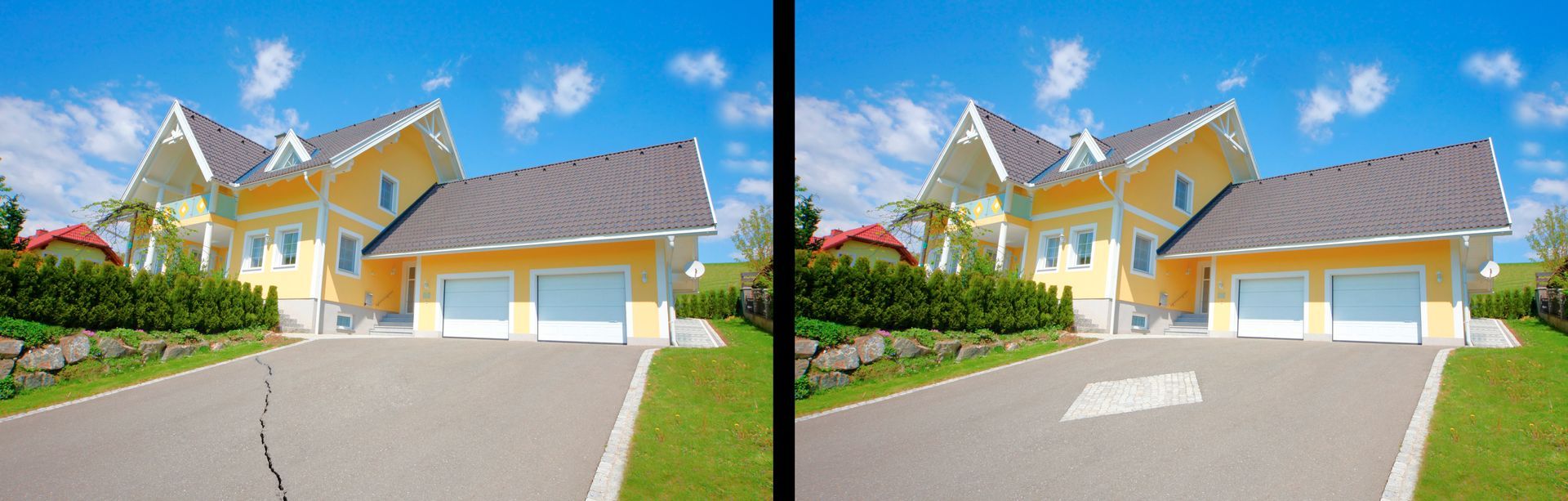
Cracking is one of the most common signs that an asphalt surface needs professional attention. Whether the pavement serves a residential driveway, commercial parking area, or another frequently used surface, cracks can develop because of weather exposure, traffic, moisture, aging, and changes beneath the pavement. What begins as a narrow opening can become a larger problem when water and debris enter the damaged area. Asking professionals the right questions about asphalt cracks can help property owners better understand what is happening and what type of attention the pavement may require.
Professional evaluation is especially important because not every crack develops for the same reason or presents the same level of concern. The location, width, pattern, and surrounding pavement condition can provide valuable information about the underlying cause. According to the National Asphalt Pavement Association, asphalt pavement is made up of approximately 95% aggregate, demonstrating how important the composition and structure of the pavement are to its overall performance.
When speaking with a paving professional, asking detailed questions can provide greater clarity about the condition of your property. Rather than focusing only on appearance, a professional can consider drainage, structural conditions, pavement age, traffic patterns, and other factors that may contribute to deterioration.
1. Asking What Caused the Cracking
Understanding Environmental Factors
Weather can place considerable stress on paved surfaces throughout the year. Temperature fluctuations cause pavement materials to expand and contract, while prolonged sun exposure can contribute to aging. Asking whether environmental conditions contributed to asphalt cracks provides useful context about why the damage appeared and whether similar deterioration may develop elsewhere on the property.
Evaluating Water Exposure
Water is another important consideration when pavement begins deteriorating. Moisture that reaches vulnerable areas can affect the materials beneath the surface and contribute to additional movement. Professionals can evaluate whether drainage patterns, standing water, or repeated exposure to precipitation may be influencing the pavement's condition.
Considering Traffic Patterns
The amount and type of traffic using a paved area can affect its longevity. A residential driveway experiences different loads than a busy commercial parking area. Professionals can consider whether repeated vehicle weight or concentrated traffic patterns have contributed to visible damage.
Identifying Underlying Conditions
Sometimes the visible crack is only a symptom of a deeper issue. Changes in the base, soil movement, or inadequate support can affect the surface above. Asking about underlying conditions helps determine whether the concern extends beyond the visible pavement.
2. Asking How Serious the Damage Is
Examining Crack Width
The dimensions of a crack can provide information about its severity. A professional can evaluate its width and depth while considering the overall condition of the surrounding pavement. This assessment helps distinguish isolated surface deterioration from damage that may require more extensive attention.
Reviewing Crack Patterns
Patterns can be just as important as size. Some asphalt cracks appear individually, while others form interconnected patterns across a larger area. Asking what the pattern indicates can help property owners understand whether the damage is localized or associated with broader pavement deterioration.
Checking the Surrounding Pavement
A crack should not necessarily be evaluated in isolation. Professionals can look for depressions, uneven areas, crumbling edges, potholes, or other signs of deterioration nearby. Considering the complete paved area provides a more accurate picture of its current condition.
Determining the Level of Concern
Property owners may have difficulty knowing whether a visible crack requires prompt attention. Asking a professional to explain the severity of the condition can provide greater confidence about what should happen next and how quickly action may be appropriate.
3. Asking Whether the Damage Will Spread
Considering Seasonal Changes
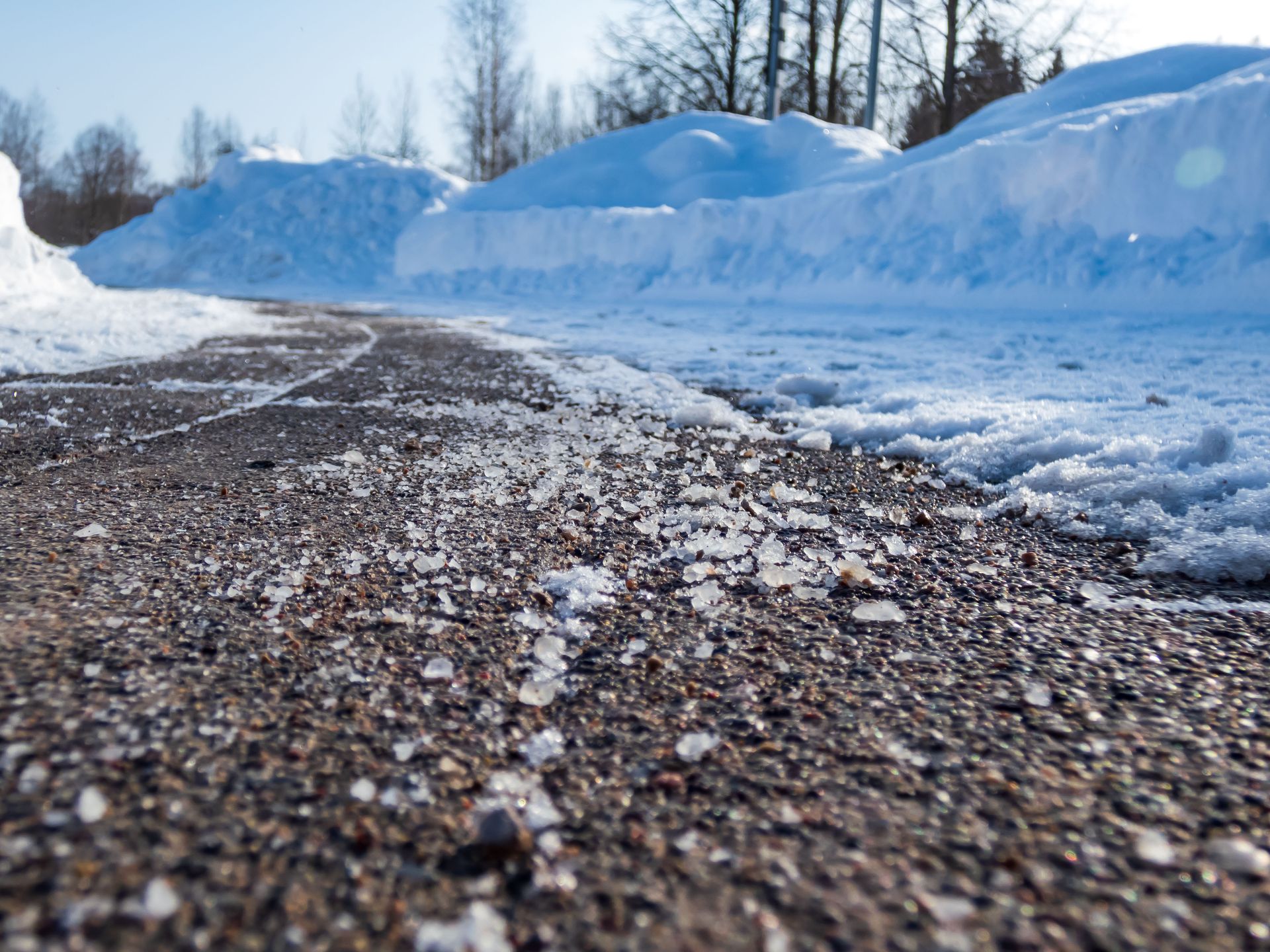
Pavement conditions can change significantly between seasons. Temperature shifts and changing moisture levels may place additional stress on already weakened areas. A professional can explain how local weather conditions could influence existing asphalt cracks and whether deterioration is likely to become more noticeable over time.
Evaluating Moisture Intrusion
Openings in pavement can provide pathways for moisture. Once water enters damaged areas, it may affect surrounding materials or the supporting layers below. Understanding this risk helps property owners appreciate why seemingly minor cracking should still receive professional attention.
Reviewing Current Deterioration
The surrounding pavement may offer clues about whether damage is progressing. Changes in surface texture, widening openings, or nearby deterioration can indicate that the problem is developing. Professionals can consider these conditions when discussing likely future performance.
Understanding Future Risks
Asking how the pavement may change over time can help with property planning. Although no professional can predict every future condition, experience with pavement deterioration can provide a valuable perspective about potential risks and the importance of timely service.
4. Asking What Type of Professional Service Is Appropriate
Comparing Available Solutions
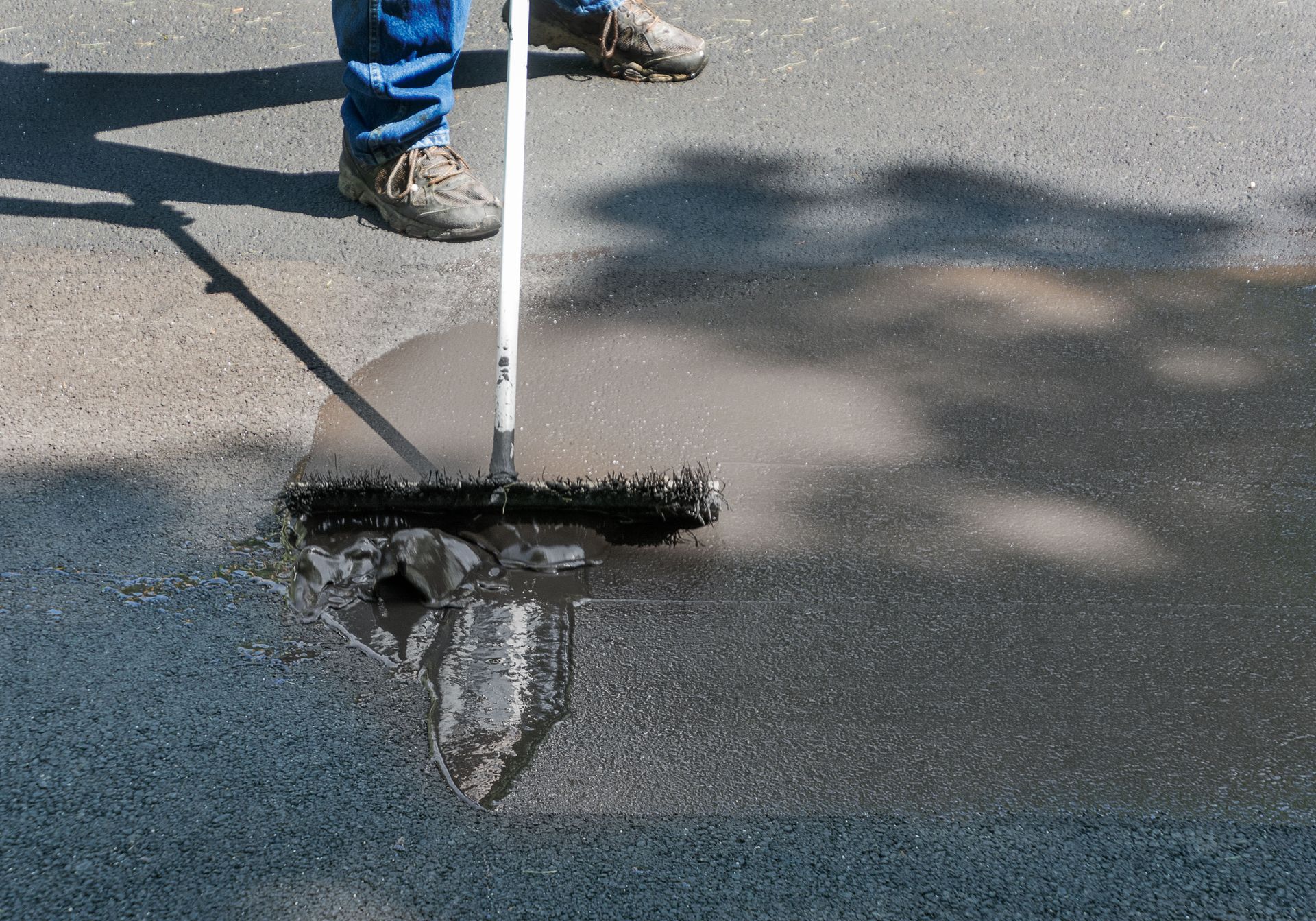
Different pavement conditions may call for different professional services. The appropriate recommendation depends on factors such as the type of damage, pavement age, structural condition, and extent of deterioration.
Discussing the Extent of Service
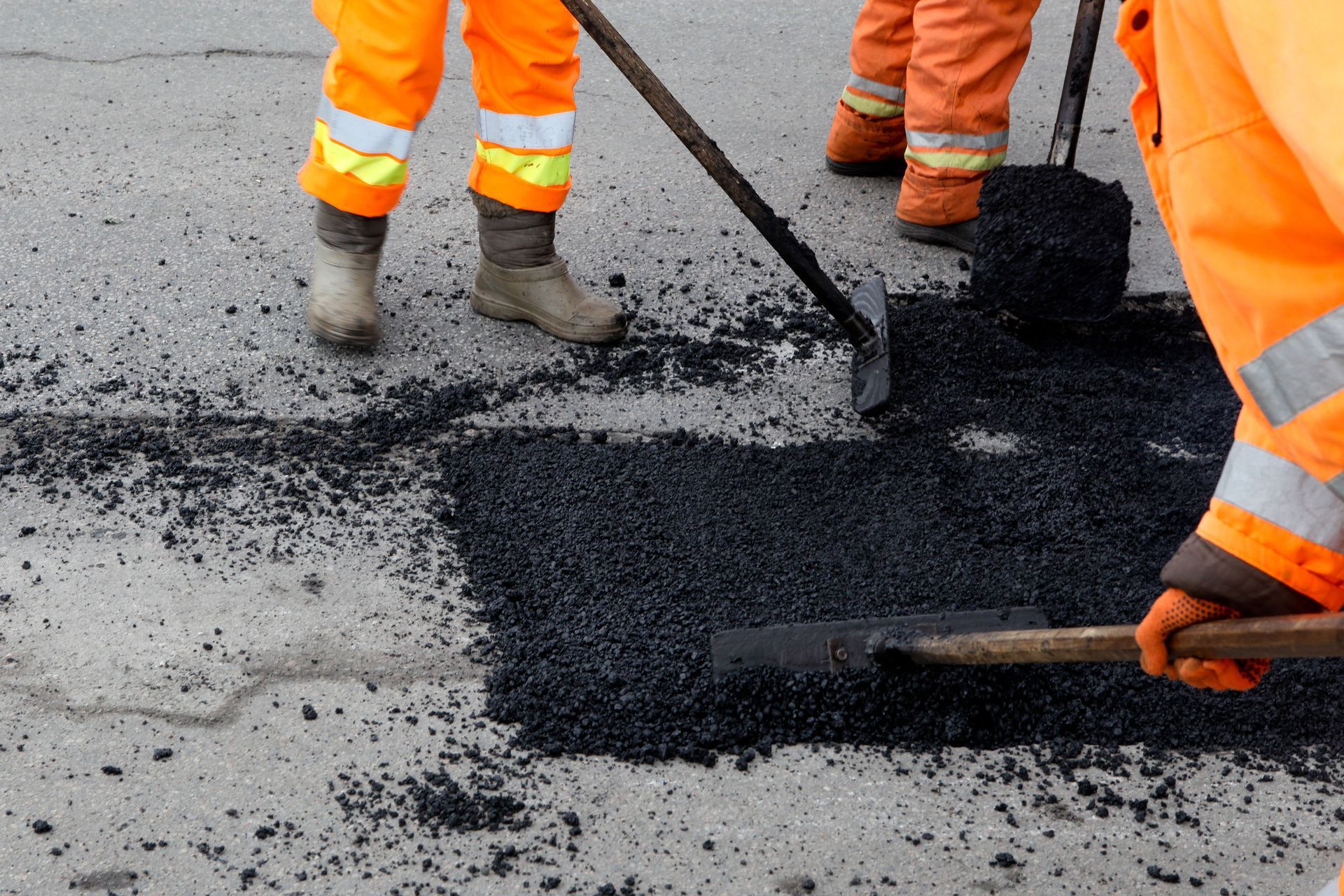
Some asphalt cracks may be concentrated in a limited area, while others are part of widespread deterioration. A professional assessment can determine whether attention should focus on specific damaged areas or whether the overall pavement condition warrants a broader service.
Understanding Expected Results
Property owners should understand what a recommended service is intended to accomplish. Asking about expected results can clarify whether the goal is to address existing damage, improve the surface's appearance, protect vulnerable areas, or respond to more extensive deterioration.
Reviewing Long-Term Considerations
The immediate solution is only one part of the decision. Professionals can discuss how the recommended service fits into the pavement's longer-term needs. This perspective helps owners consider both present conditions and future property maintenance.
5. Asking When the Damage Should Be Addressed
Evaluating Current Urgency
Some pavement concerns deserve quicker attention than others. A professional can evaluate the condition and explain whether service should be scheduled promptly or whether the pavement can be monitored for changes. Understanding urgency makes planning easier for property owners.
Considering Weather Conditions
Weather may influence when certain paving services can be performed effectively. Asking about seasonal considerations can help establish realistic scheduling expectations and ensure that recommended work is completed under appropriate conditions.
Preventing Additional Deterioration
Waiting too long to address asphalt cracks may allow existing damage to become more extensive, particularly when moisture or continued traffic affects weakened areas. Asking how timing could influence the condition helps owners understand the value of addressing concerns before they become larger.
Planning Around Property Use
Residential and commercial properties have different scheduling needs. Businesses may need to consider customer traffic, while homeowners may need regular driveway access. Discussing these considerations allows professionals to explain how service can be coordinated with normal property use.
6. Asking How Future Cracking Can Be Limited
Discussing Professional Maintenance
Routine professional attention can help property owners stay aware of changes in their pavement. Asking what maintenance schedule is appropriate based on the surface's age, condition, and usage provides a clearer understanding of its long-term care needs.
Monitoring Drainage Conditions
Because moisture can contribute to pavement deterioration, drainage should remain part of the conversation. Professionals can identify whether water is collecting in problematic locations or whether existing conditions may place additional stress on paved areas.
Watching for New Damage
Existing asphalt cracks are not the only concerns worth discussing. Professionals can explain what changes may indicate that the pavement needs another evaluation. Recognizing developing concerns makes it easier to arrange service before deterioration becomes significantly more extensive.
Protecting Long-Term Performance
The ultimate goal of professional pavement care is to support reliable performance for as long as reasonably possible. Asking about long-term expectations gives property owners a better understanding of how age, traffic, weather, drainage, and maintenance can affect the surface.
Visible pavement damage can raise many questions, especially when it is difficult to determine what caused it or how serious it may be. By asking about causes, severity, progression, appropriate services, timing, and future maintenance, property owners can gain a more complete understanding of asphalt cracks and make informed decisions about their paved areas.
Clear communication with an experienced paving professional can also help establish realistic expectations. Every property is different, and pavement age, drainage, traffic, weather exposure, and underlying conditions can all affect which recommendations make sense.
If you've noticed cracking or other signs of pavement deterioration on your property, contact B&H Blacktopping today for a professional evaluation and dependable guidance on the services your asphalt surface may need.