May 12, 2026
Asphalt surfaces are built to be durable, cost-effective, and long-lasting, making them a popular choice for driveways, parking lots, and walkways. However, even the strongest pavement is not immune to wear and tear over time. Exposure to changing weather conditions, heavy loads, and natural aging can slowly weaken the surface. What often begins as minor imperfections can gradually evolve into larger structural concerns if left unaddressed. Many property owners overlook early warning signs until the damage becomes too significant to ignore.
Understanding how deterioration develops and recognizing when it becomes a safety issue is essential for maintaining both the appearance and functionality of paved surfaces. Small surface issues may seem harmless at first, but they can quickly escalate into hazards that affect vehicles, pedestrians, and the overall integrity of the pavement system.
Understanding How Asphalt Cracks Form Over Time
One of the earliest indicators of pavement deterioration is the appearance of small surface breaks. These often develop due to repeated exposure to sunlight, moisture infiltration, and freeze-thaw cycles that cause the material to expand and contract. Over time, these forces weaken the surface structure, eventually leading to visible damage.
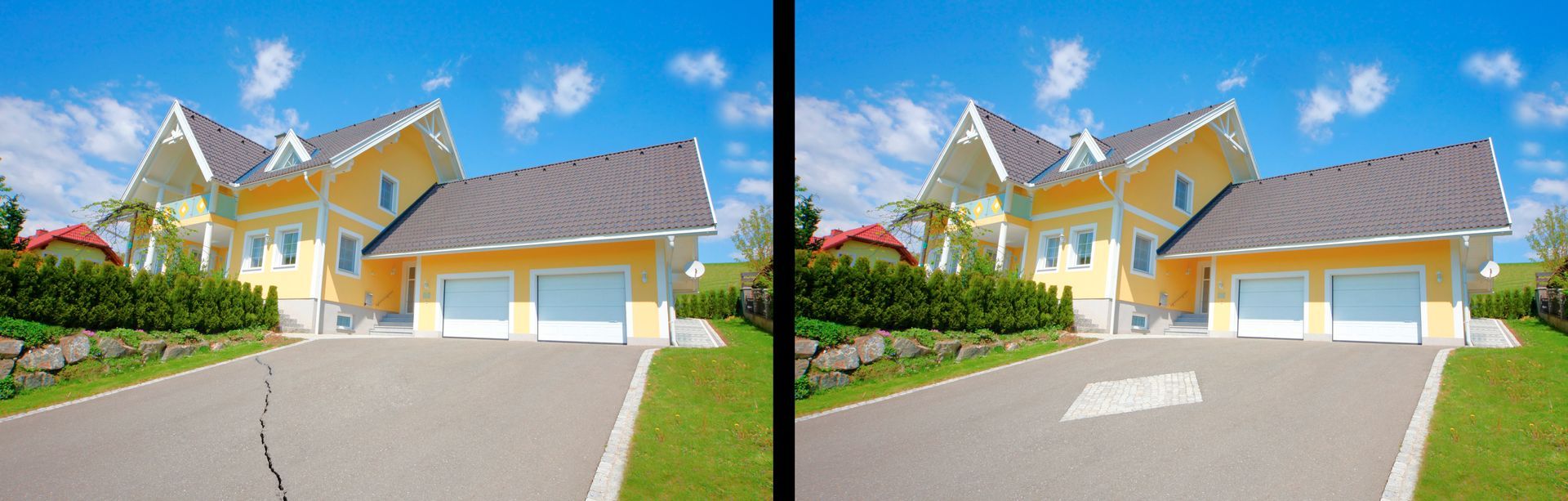
Asphalt cracks often begin as hairline fractures that may seem purely cosmetic. However, they are usually the first sign that the pavement is losing flexibility and strength. If ignored, these small fractures allow water to seep below the surface, accelerating the breakdown process and expanding the affected areas. What starts as a minor flaw can quickly spread across larger sections of the pavement, making early detection and maintenance critical.
Examining Weather Exposure and Long-Term Surface Breakdown
Climate plays a major role in the condition of any asphalt surface. Intense heat can soften pavement, while freezing temperatures cause it to contract and harden. This constant cycle of expansion and contraction weakens the structure over time, leading to more noticeable damage.
According to Today's Homeowner, a newly installed asphalt driveway can last up to 25 years and often provides a full return on investment. However, this lifespan is heavily dependent on proper maintenance and timely repairs. Without routine care, environmental stress can significantly shorten durability.
During this process, asphalt cracks begin forming in vulnerable areas, especially where water tends to pool or where heavy vehicles frequently apply pressure. Once moisture penetrates beneath the surface, it can erode the base layers, making the pavement unstable and more prone to widespread deterioration.
Identifying When Small Issues Become Structural Problems
At first glance, minor surface damage may not appear urgent, but the progression from small defects to major structural failure can happen faster than expected. As the pavement base weakens, the surface loses its ability to distribute weight evenly, creating stress points that worsen over time.
In many cases, asphalt cracks expand and connect, forming larger fractured sections that compromise the entire surface. This stage of deterioration often signals that the underlying foundation has been affected, not just the top layer. Once this happens, simple patching is no longer sufficient, and more extensive repairs may be necessary to restore stability.
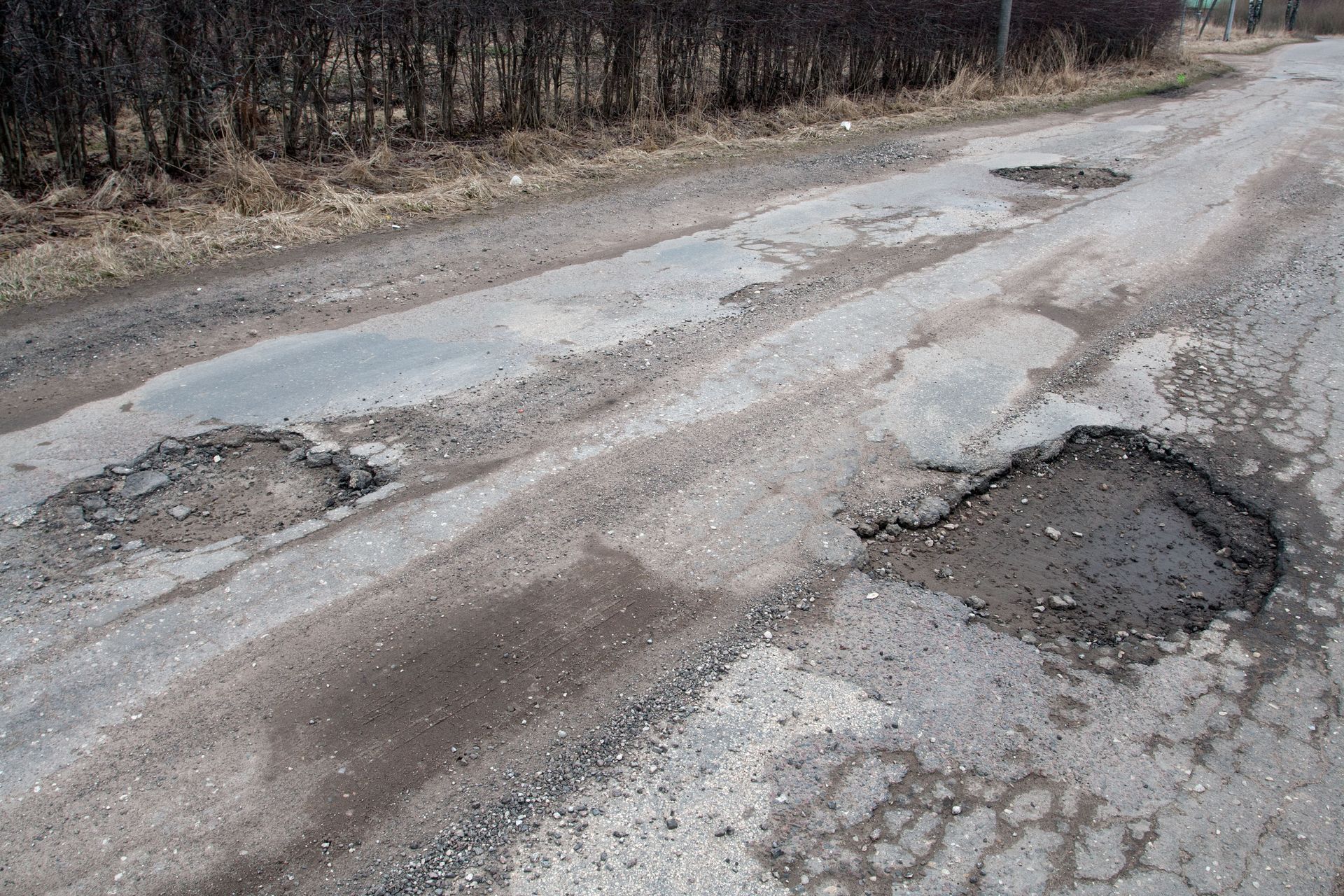
If left unaddressed, these structural issues can lead to potholes, uneven surfaces, and complete breakdown in high-traffic areas, significantly increasing repair costs and safety risks. Over time, this deterioration can also spread beyond the original damaged area, affecting larger sections of pavement. Vehicles may experience increased wear and tear due to repeated impact from unstable surfaces. Pedestrian safety becomes more compromised as trip hazards become more widespread and unpredictable. Early intervention remains the most effective way to prevent these escalating problems.
Recognizing Trip Hazards and Liability Concerns
Beyond structural integrity, damaged pavement can create serious safety hazards for pedestrians and vehicles alike. Uneven surfaces, raised edges, and broken sections increase the likelihood of trips, falls, and vehicle damage. Property owners may also face liability concerns if injuries occur due to neglected maintenance.
Asphalt cracks in walkways, driveways, and parking areas are particularly dangerous because they often go unnoticed until someone is directly affected. Even small surface separations can catch footwear or bicycle tires, creating unexpected accidents.
Addressing these hazards early is not only a matter of maintenance but also a responsibility for ensuring safe access. Regular inspections and timely repairs can significantly reduce the risk of injury and help maintain a safe environment for residents, customers, and visitors. Ignoring small issues can quickly turn manageable repairs into serious safety concerns that affect daily use. Proactive maintenance also helps extend the lifespan of paved surfaces, reducing long-term costs. In addition, well-maintained pavement improves overall property appearance and creates a more welcoming environment.
Addressing Drainage Issues and Subsurface Damage
Proper drainage is essential for maintaining pavement stability. When water is allowed to pool on the surface, it gradually seeps into weak points and accelerates deterioration beneath the asphalt. Over time, this leads to erosion of the base layer, which is critical for supporting the surface above it.
Asphalt cracks can quickly become entry points for water infiltration, allowing moisture to penetrate deeper into the structure. Once the foundation is compromised, the surface loses support and begins to shift or sink in certain areas. This often results in uneven pavement, standing water, and further expansion of damaged zones.
In severe cases, repeated freeze-thaw cycles can worsen the situation, causing sections of pavement to lift or break apart entirely. Addressing drainage issues early helps prevent long-term structural failure and extends the usable life of the surface. Proper grading and water management can significantly reduce the amount of moisture that penetrates vulnerable areas. Routine inspections after seasonal changes can also help identify early warning signs before they escalate. Taking preventative action not only protects the pavement but also reduces the likelihood of costly emergency repairs.
Evaluating When Repairs Are No Longer Optional
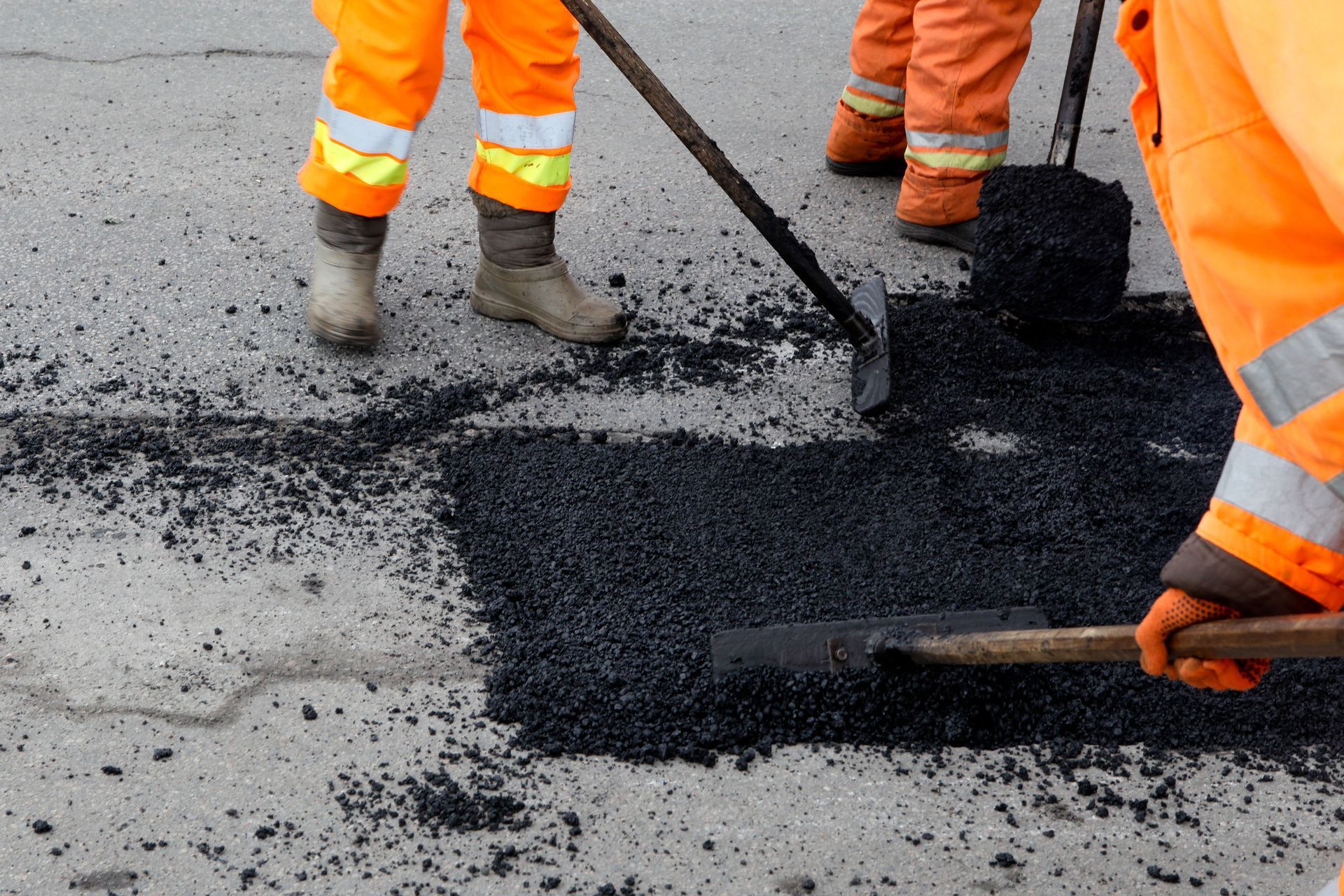
There comes a point where surface maintenance is no longer enough to preserve pavement integrity. When damage becomes widespread, patching or sealing may only provide temporary relief rather than a lasting solution. At this stage, more comprehensive repair or resurfacing is often required.
Widespread asphalt cracks signal that the pavement has reached an advanced stage of deterioration. These interconnected fractures indicate that both the surface and base layers have been significantly compromised. Attempting to ignore or delay repairs can lead to higher costs and more extensive reconstruction later on.
Professional assessment becomes essential in determining whether resurfacing or full replacement is necessary. Acting promptly can prevent further deterioration and restore safety and functionality before the damage spreads beyond control. In many cases, early evaluation can also reveal hidden issues beneath the surface that are not immediately visible. This allows property owners to make informed decisions rather than reacting to emergencies later. Addressing concerns at the right time often results in more cost-effective and long-lasting solutions.
Asphalt surfaces are designed to withstand heavy use and changing environmental conditions, but they are not immune to long-term wear. What begins as small imperfections can evolve into serious structural and safety concerns if not addressed in time. Recognizing early warning signs and understanding how damage progresses is key to maintaining a safe and durable surface.
When left unchecked, deterioration can affect not only the appearance of pavement but also its functionality, drainage, and safety. Taking proactive steps ensures longer-lasting performance and reduces the risk of costly repairs down the road. For professional care that helps protect and restore your pavement before minor issues become major problems, trust B&H Blacktopping to keep your surfaces strong, safe, and built to last.